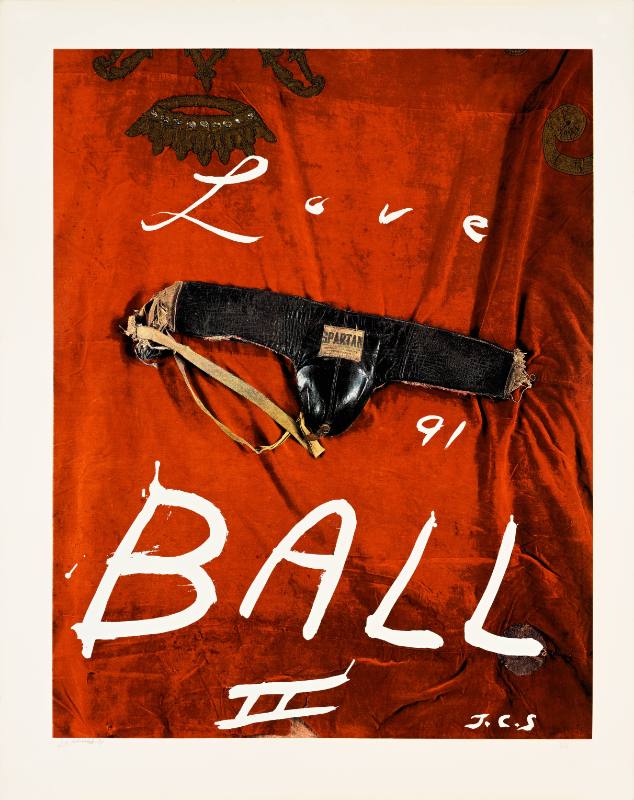
In the early 1990s, aspects of ballroom began to be appropriated by the fashion and entertainment industries, with songs like Madonna’s “Vogue” and the cult documentary Paris is Burning introducing the world to a culture created by Black and Latino gay and trans New Yorkers. These balls had been established to offer safe and supportive opportunities for performance, community, and political critique through dance and fashion, addressing racism, homophobia, and social marginalization. Ballroom “houses” were built around charismatic individuals who often took their names from luxury fashion brands. As the AIDS epidemic spread, some of these brands began commandeering ballroom culture for fundraising events. While these parties were intended to assist those impacted by the virus, such help rarely reached those who had birthed the scene. In the neighborhoods where ballroom originated, balls raised funds for organizations addressing incarceration, homelessness, and systemic racism. Organizations founded by Black and Latino New Yorkers, including ACE, Housing Works, the Latina/o Caucus of ACT UP, and the Audre Lorde Project, both served and received support from its members. In 1989, nightlife visionary Susanne Bartsch organized the first Love Ball at Roseland Ballroom to raise funds for Design Industries Foundation Fighting AIDS (DIFFA). Two years later, Love Ball II was held on a grander scale, with celebrity judges like Queen Latifah, Jean Paul Gaultier, and Susan Sarandon scoring presentation categories like Delusions of Grandeur, while the city’s underground, predominantly Black and Latino ballroom houses, including Xtravaganza, Omni, and Pendavis, competed alongside teams sponsored by major fashion designers. The event raised more than $600,000 (approximately $1,415,000 today). Widely covered in the fashion and nightlife press, the event was dubbed a “fashion victim fundraiser.” Many icons of the ballroom scene, including Angie Xtravaganza, Willi Ninja, and Dorian Corey, would die in the next few years.
For inquiries about image licensing, please contact collections@posterhouse.org.